Deciding to improve your smile is an exciting step—it also means making some important choices. Orthodontic treatment is an investment in both your confidence and long-term oral health, so selecting the right method is essential.
Invisalign and traditional braces are two common and effective options for straightening teeth. Invisalign offers a discreet, removable solution that appeals to many teens and adults, while traditional braces may be better suited for more complex misalignment or bite issues. Ultimately, the right option depends on your unique dental needs, lifestyle, and goals—best determined through a consultation with your dentist or orthodontist.
What Is Invisalign?
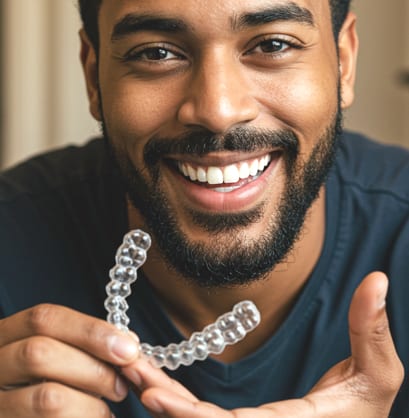
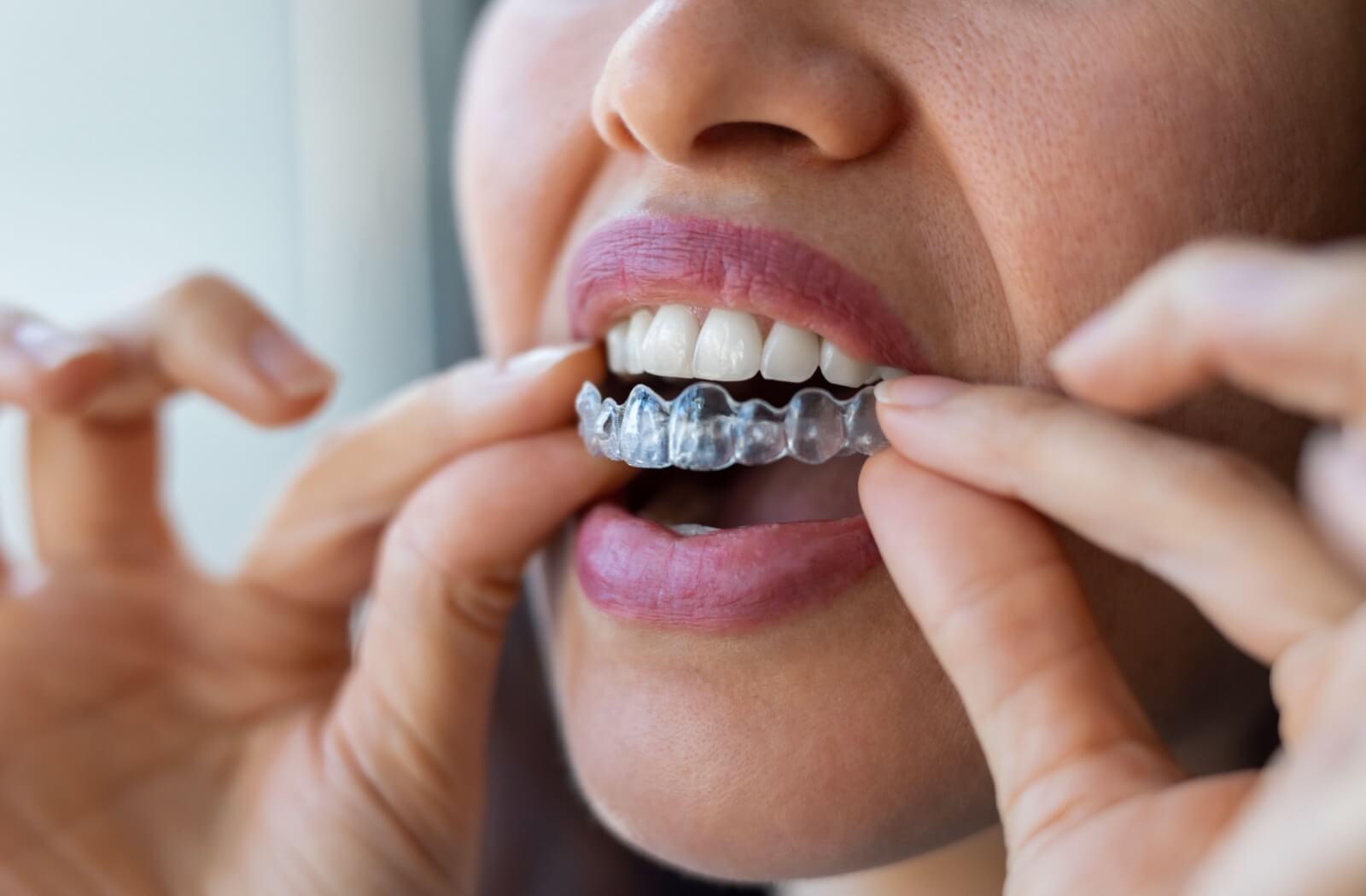
Invisalign is a clear aligner system designed to straighten your teeth using a series of custom-fitted plastic trays. These aligners apply gentle, controlled force to gradually shift your teeth into better alignment. You’ll switch to a new set of aligners approximately every 1 to 2 weeks, with each set moving your teeth a bit closer to the final result.
Invisalign aligners are removable and should be worn 22 to 24 hours a day for optimal results. You can take them out to eat, drink, brush, and floss—making it easier to maintain good oral hygiene throughout treatment.
Benefits of Invisalign
Invisalign has grown in popularity for several reasons:
- Nearly invisible: The clear trays are discreet, making them an attractive option for people who want to straighten their teeth without visible brackets and wires.
- Removable: You can remove aligners during meals and oral hygiene routines, providing you with more flexibility.
- Comfortable design: Smooth plastic aligners eliminate the irritation often caused by metal brackets or wires.
- Fewer appointments: In many cases, Invisalign requires fewer in-office visits compared to traditional braces.
- No food restrictions: Since the aligners are removable, you don’t need to avoid sticky or hard foods.
Invisalign is typically recommended for mild to moderate orthodontic concerns, such as minor crowding, spacing issues, or mild bite problems.
What Are Traditional Braces?
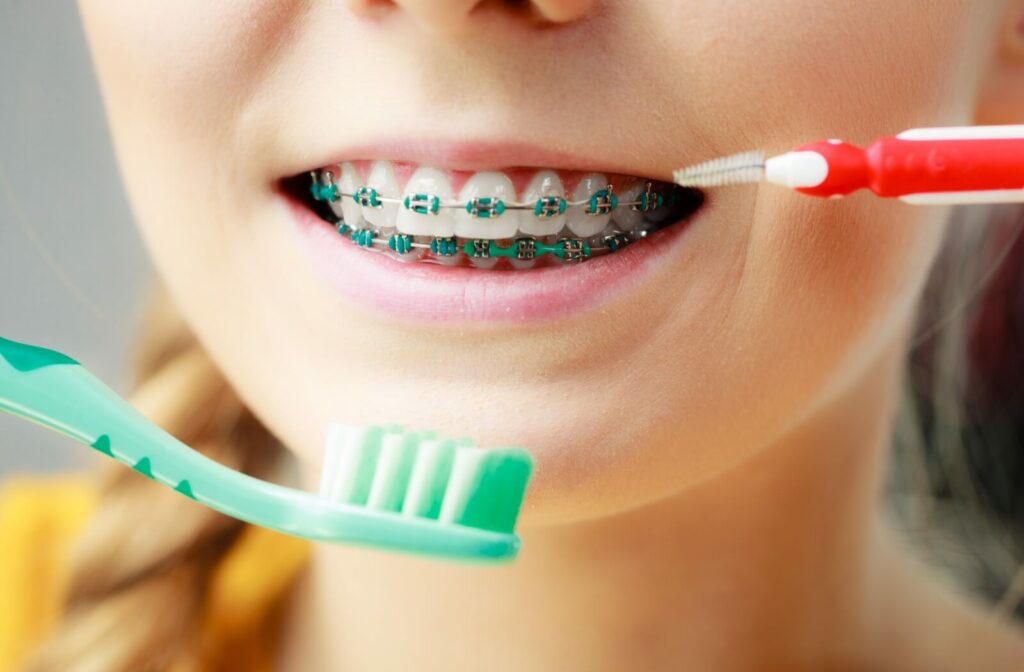
Traditional braces are fixed orthodontic devices made of metal or ceramic brackets and wires. Brackets are bonded to the front of each tooth and connected by a wire that’s periodically adjusted to guide teeth into their correct positions.
While more visible than Invisalign, braces are highly effective for treating a wide range of dental and bite concerns—including complex misalignments, rotated teeth, and deep overbites.
Benefits of Traditional Braces
Braces remain a tried-and-true solution for comprehensive orthodontic correction:
- Effective for complex cases: Braces can treat more severe misalignment, crowding, and bite issues that may not respond as well to clear aligners.
- No compliance required: Since they’re fixed in place, there’s no risk of forgetting to wear them or misplacing them.
- Versatile options: Braces are available in metal, ceramic, and even lingual (behind-the-teeth) styles to suit different preferences.
- Precise control: Braces enable fine-tuned adjustments, which can be especially helpful for more complex orthodontic cases.
However, braces do require extra attention when it comes to cleaning and eating. You’ll need to avoid certain foods and be diligent with oral hygiene to keep both your teeth and braces in good shape.
Which Option Is Right for You?
There’s no one-size-fits-all answer—each treatment has its strengths, and the best choice depends on your dental needs, daily habits, and personal preferences. Here are a few key factors to consider:
Complexity of your Case
Traditional braces are often more effective for complex orthodontic issues, such as severe crowding, large gaps, rotated teeth, or significant bite misalignments. Braces provide more precise control over tooth movement and are often recommended for comprehensive dental treatment plans.
Lifestyle & Appearance
If you’re looking for a discreet option that fits seamlessly into your lifestyle, Invisalign may be ideal—especially for professionals, students, or anyone who feels self-conscious about the appearance of metal braces. Because aligners are clear and removable, they’re less noticeable and easier to fit around social and work routines.
Commitment Level
Invisalign must be worn for 22 to 24 hours a day to be effective. If you’re diligent and disciplined about wearing your aligners consistently—even through travel, meals, or busy days—it can be a great option. However, if you think you might forget to reinsert your aligners after eating or brushing, braces may offer a more dependable route to successful results.
Oral Hygiene Habits
Invisalign makes brushing and flossing easier since the aligners can be removed. Braces, on the other hand, require more effort to keep clean—food can get trapped around the brackets and wires, increasing the risk of plaque buildup and tooth decay. If you’re prepared to commit to meticulous cleaning with braces, either option can work well.
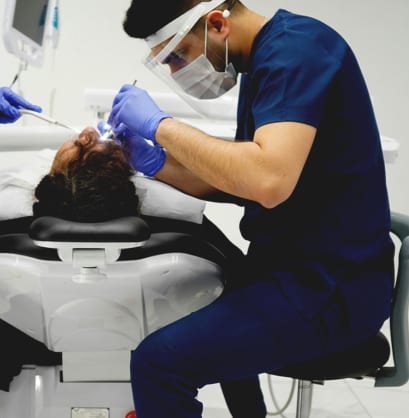
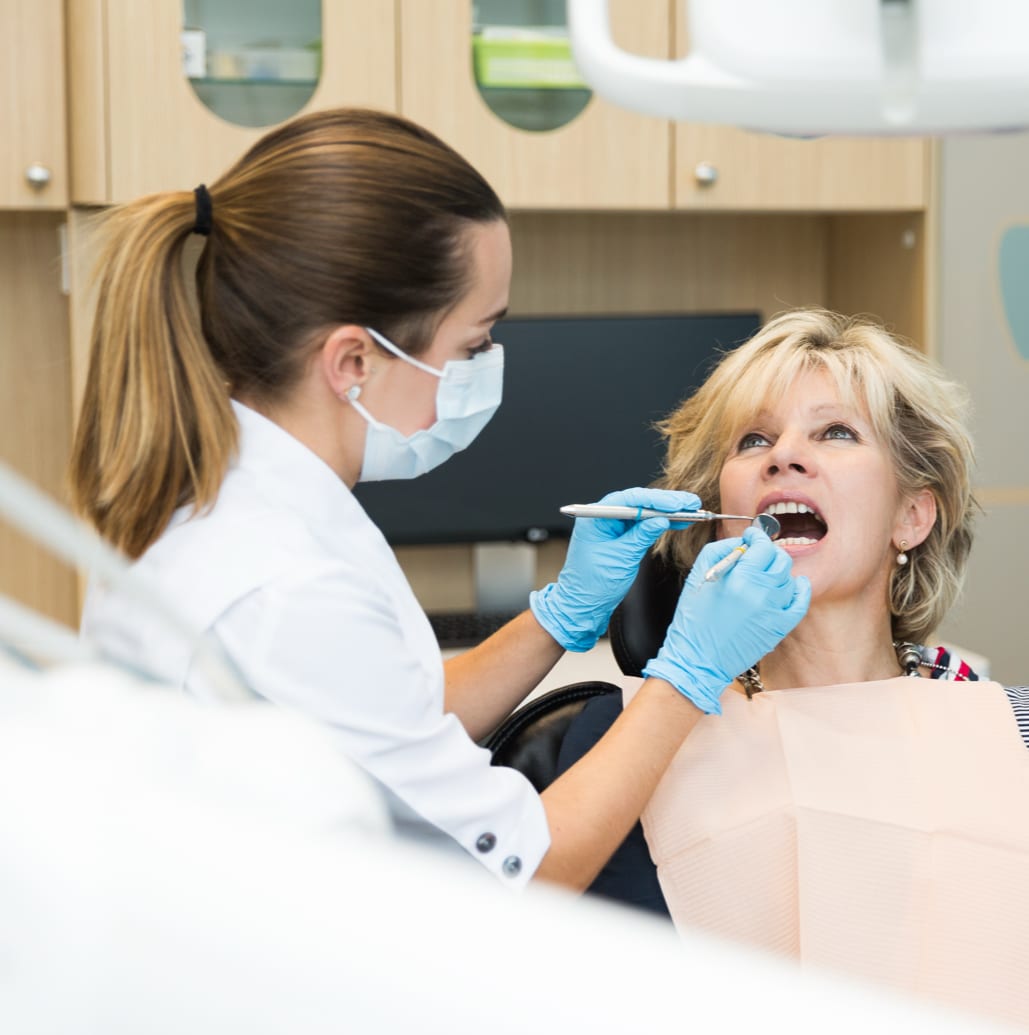
Ultimately, your dentist or orthodontist will consider all of these factors and help you choose a treatment plan tailored to your needs and goals.
Moving Forward with Confidence
Whether you choose Invisalign or traditional braces, the ultimate goal is the same: a straighter, healthier smile you’ll feel good about. Both options are safe, effective, and widely used by dental professionals to treat a range of orthodontic issues.
At Dentistes REMA, we’re here to help you explore your options with expert guidance. During your consultation, we’ll assess your needs, walk you through the pros and cons, and recommend the best treatment for your smile goals and lifestyle. Contact us today to take the first step toward a beautifully aligned smile.